

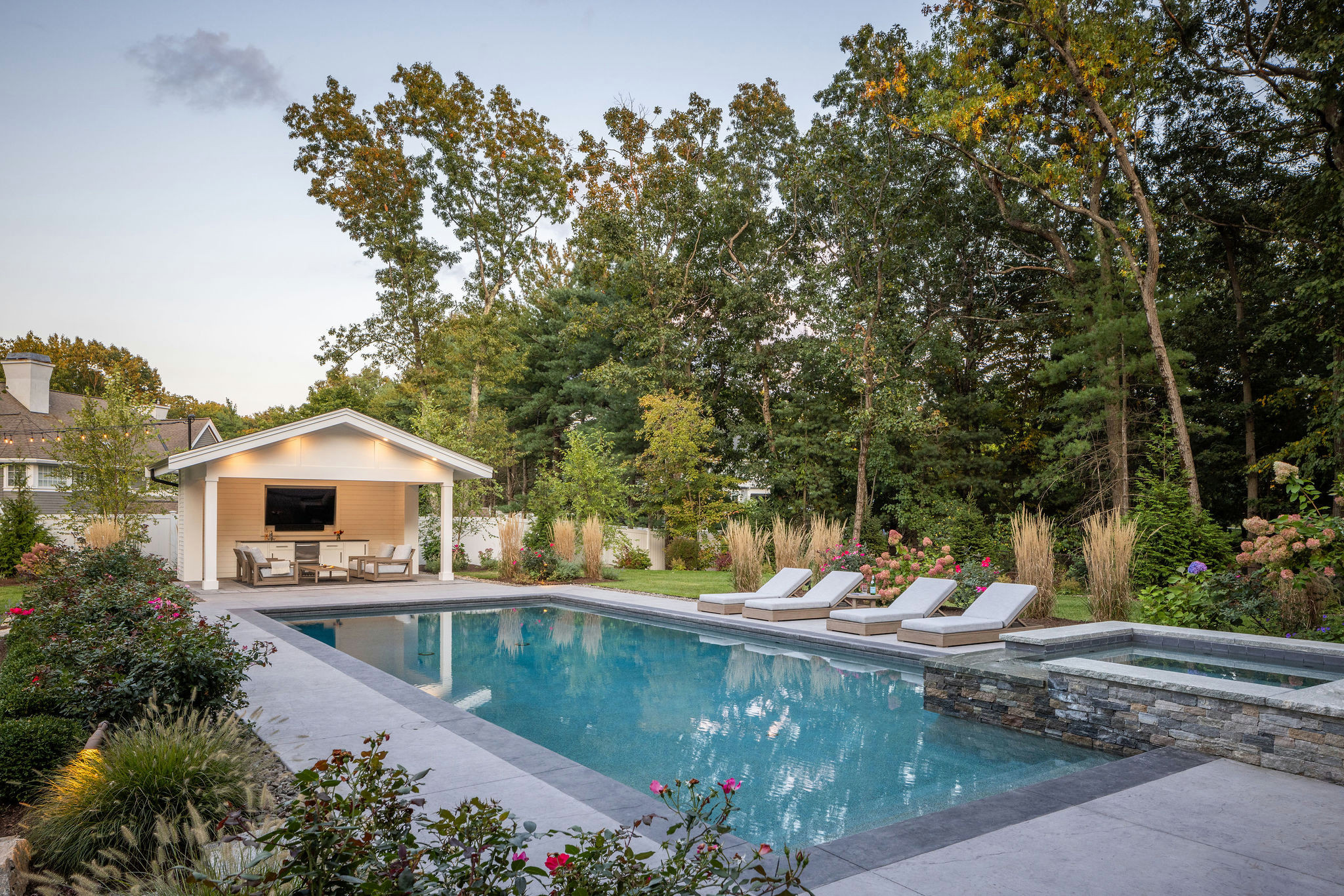
Red Hill sits in the hinterland, where hills, vineyards, and cool breezes shape outdoor living. A pool here faces different conditions from the coast, including steep gardens and bushfire concerns. Aquarius Pools in Mornington Peninsula works with owners to plan pools that suit this setting. Therefore, this article outlines what Red Hill homeowners should know before building.
Key Takeaways
- Aquarius Pools in Mornington Peninsula builds pools for hillside and rural properties, and Aquarius Pools in Red Hill projects often involve slopes and larger blocks.
- Clay soils and steep ground call for engineered excavation and strong drainage.
- Bushfire overlays can influence materials, placement, and water access planning.
- Cooler hinterland weather makes heating and covers especially valuable.
- Fibreglass shells install quickly, whereas concrete pools allow full design freedom.
- Council permits, building approvals, and safety barriers apply to every new pool.
- Landscaping with native plants and shelter improves comfort and low maintenance.
- Early planning and detailed quotes help owners manage budget and timing.
How Red Hill Differs From Coastal Suburbs
Red Hill offers elevated views, rolling paddocks, and mature gardens. Temperatures run cooler than along the bay, and fog or wind can arrive quickly. Moreover, many properties are large, which gives owners more freedom with pool placement.
However, space does not remove challenges. Access tracks may be long and unsealed. In addition, steep sections often need terracing. As a result, a Red Hill pool plan should balance views, shelter, and construction practicality from the start.
Soil Types and Hillside Engineering
Many Red Hill blocks sit on reactive clay. Clay swells when wet and shrinks when dry, so it can stress a pool structure. Specifically, engineers design footings and drainage to handle that movement.
Slopes add further demands. Retaining walls support cut sections, whereas agricultural drainage carries runoff away from the pool. Consequently, a geotechnical report often comes early in the process. It guides design choices and avoids expensive changes later.
Choosing a Shell Style for a Rural Setting
Both fibreglass and concrete pools suit hinterland homes. Fibreglass arrives ready-made and shortens the build time. Concrete, on the other hand, can follow the contours of a hillside.
For instance, an infinity edge facing the valley suits a concrete design. A simple family pool near the house may suit fibreglass. Furthermore, either type can include a spa, steps, or a shallow lounging area. The best fit depends on terrain, budget, and lifestyle.
Bushfire Overlays and Planning Controls
Large parts of Red Hill fall within bushfire management areas. These overlays can affect building materials, setbacks, and vegetation. In fact, a pool can also serve as a water source in an emergency, though owners should confirm requirements with the relevant authorities.
Additionally, some properties carry environmental or landscape overlays. Therefore, early checks with Mornington Peninsula Shire save time. A registered building surveyor must approve plans, and council may require a planning permit as well.
Safety Barriers and Pool Registration
Victorian rules require a compliant barrier around every pool and spa. Fences must reach a minimum height, and gates must self-close and latch. Indeed, rural properties with livestock or open grounds still need full compliance.
Owners must register the pool with council. They must also keep the barrier in working order. For example, climbable objects near the fence can create a breach. Accordingly, owners should keep furniture, planters, and branches well away from the boundary.
Heating and Cover Choices for Cooler Weather
Hinterland evenings cool down fast. Heat pumps provide reliable warmth, and solar panels can reduce power use on sunny days. Moreover, an insulated cover holds heat overnight and blocks leaves.
Equipment choices affect running costs. Variable-speed pumps, for example, use less energy than older single-speed models. Not only do they save money, but they also reduce noise. Consequently, owners get a longer swimming season without a large bill.
Landscaping, Shelter, and Outdoor Living
A Red Hill pool should sit comfortably in its surroundings. Native grasses, stone walls, and timber decks blend with the rural setting. In addition, planting windbreaks protects swimmers and keeps water warmer.
Fire-aware landscaping also matters. Owners should choose low-fuel plants and keep dry debris away from the house and pool area. Furthermore, slip-resistant paving makes wet surfaces safer. Good landscaping makes the pool look natural and easy to maintain.
Access, Machinery, and Build Timelines
Long driveways and steep entries affect machinery choice. Crews may need tracked excavators or special lifting equipment. Subsequently, delivery plans must fit the property layout and weather forecasts.
Winter rain can slow excavation on clay. Many owners therefore start design work in autumn or winter and build in drier months. In other words, a flexible schedule reduces delays. A clear timeline from the builder helps everyone plan ahead.
Preparing Questions and Budget Before You Commit
Costs depend on size, soil, access, finishes, and site works. Retaining walls, drainage, and landscaping can add significantly to the total. However, a detailed quote lists these items clearly.
Owners researching Aquarius Pools in Red Hill should ask about engineering support, permit assistance, warranties, and aftercare. Furthermore, visiting a completed pool can show real quality. Good questions lead to better decisions and a pool that fits the property for years.