


Installing Micro-Wind Turbines for Residential Use involves more than just bolting a unit to a pole. From my years working with sustainable energy systems, I’ve seen firsthand the critical importance of proper planning and execution. A successful installation requires careful consideration of local wind patterns, structural integrity, and regulatory compliance. Safety is paramount at every stage, protecting both the system and the homeowners.
Overview
- Careful site assessment is crucial for optimal wind capture and safety.
- Local permits and zoning laws must be thoroughly researched before any installation begins.
- Selecting the appropriate turbine size and type depends on energy needs and wind resources.
- Professional installation is often recommended to ensure structural stability and electrical safety.
- Regular maintenance schedules are vital for turbine longevity and efficient operation.
- Understanding grid-tie agreements or off-grid battery systems is essential for power usage.
- Safety measures, including proper grounding and fall protection, are non-negotiable during setup and service.
Site Assessment for Micro-Wind Turbines for Residential Use
Before anything else, a thorough site assessment is non-negotiable. This step determines the viability and optimal placement for your wind turbine. We evaluate prevailing wind directions and speeds, looking for unobstructed airflows. Obstacles like tall trees, buildings, or hills can create turbulence, significantly reducing a turbine’s efficiency. Measuring actual wind data over several months with an anemometer provides the most accurate picture.
Property lines and setback requirements are also crucial. Local ordinances in the US often dictate how close a turbine can be to neighboring properties or public roads. We consider potential noise impacts, even though modern Micro-Wind Turbines for Residential Use are relatively quiet. Structural analysis of your chosen tower location is essential. The ground must support the tower’s weight and withstand wind loads. This initial assessment lays the foundation for a safe and productive energy system.
Permitting and Regulatory Requirements for Micro-Wind Turbines for Residential Use
Navigating the permitting landscape is often the most complex part of installing Micro-Wind Turbines for Residential Use. Every municipality, county, and state in the US has its own specific regulations. These can include zoning restrictions, building codes, and even homeowner association (HOA) rules. It’s not uncommon for permits to require detailed engineering drawings, noise impact studies, and even visual impact assessments.
Interconnection agreements are necessary if you plan to tie into the local utility grid. This process ensures your system meets safety standards and allows for net metering, where you sell excess power back to the grid. Failing to secure the correct permits can lead to fines, forced removal, or even legal issues. I always advise working closely with local planning departments and a qualified installer who understands these intricate requirements. Patience and persistence are key here.
Choosing the Right System and Installation Procedures
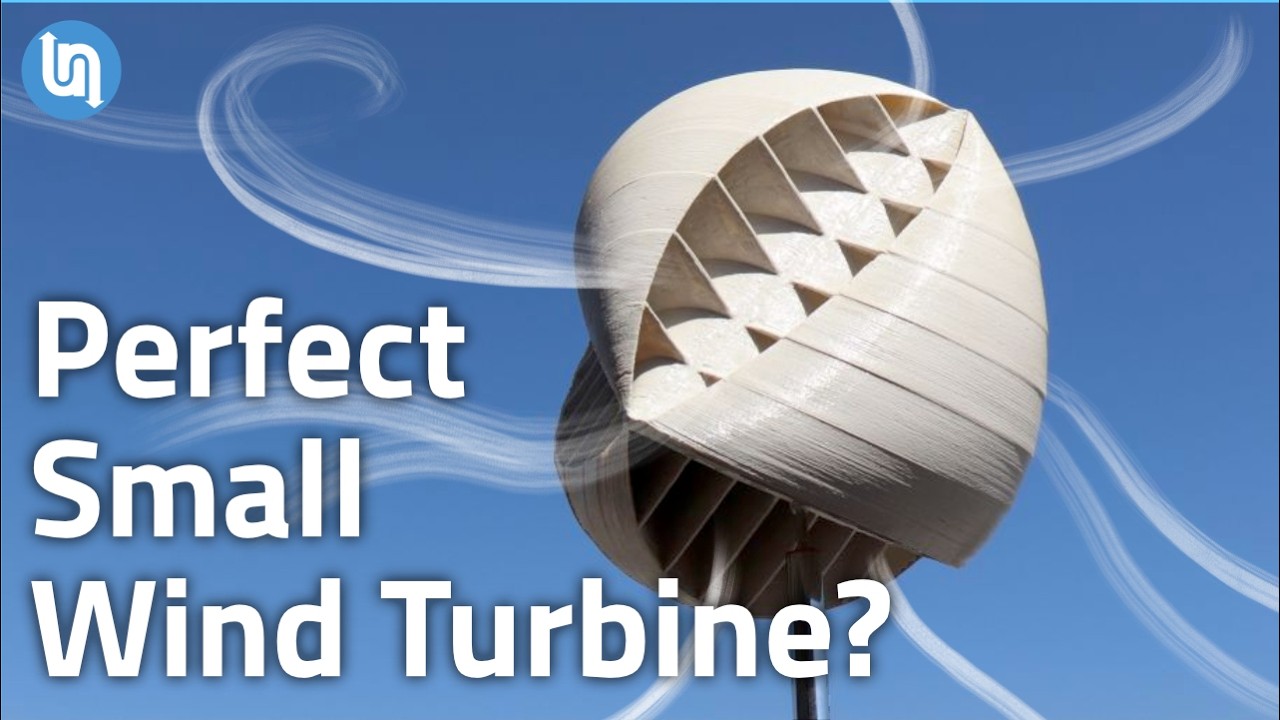
Selecting the correct micro-wind turbine involves matching its output to your household’s energy needs and the site’s wind profile. Vertical-axis wind turbines (VAWTs) perform well in turbulent wind conditions, while horizontal-axis wind turbines (HAWTs) are generally more efficient in steady winds. We also look at the turbine’s power curve, cut-in speed, and rated power. These specifications indicate how much power the turbine can generate at different wind speeds.
Installation procedures demand precision and adherence to safety protocols. A proper foundation is dug and reinforced, often with concrete. The tower itself, whether guyed or freestanding, must be assembled and raised carefully, typically using specialized equipment like cranes. Electrical wiring connects the turbine to an inverter and then to your home’s electrical panel or battery bank. All electrical work must comply with National Electrical Code (NEC) standards and be performed by a licensed electrician to prevent hazards. Proper grounding is critical for lightning protection.
Post-Installation Care and Performance Monitoring
Once your micro-wind turbine is operational, regular care ensures its long-term reliability and performance. This isn’t a “set it and forget it” system. Annual inspections are a good practice, checking for loose bolts, cable wear, or any signs of structural fatigue on the tower. The blades should be inspected for damage or debris buildup, which can reduce efficiency. Lubrication of moving parts, if applicable to your model, should follow manufacturer guidelines.
Monitoring the system’s output helps confirm it is performing as expected. Many modern inverters and charge controllers include monitoring capabilities, allowing you to track daily and monthly energy production. If output dips unexpectedly, it could signal an issue requiring attention. Keeping the area around the base clear of vegetation and debris is also important. A well-maintained Micro-Wind Turbines for Residential Use system provides clean energy for years to come.