

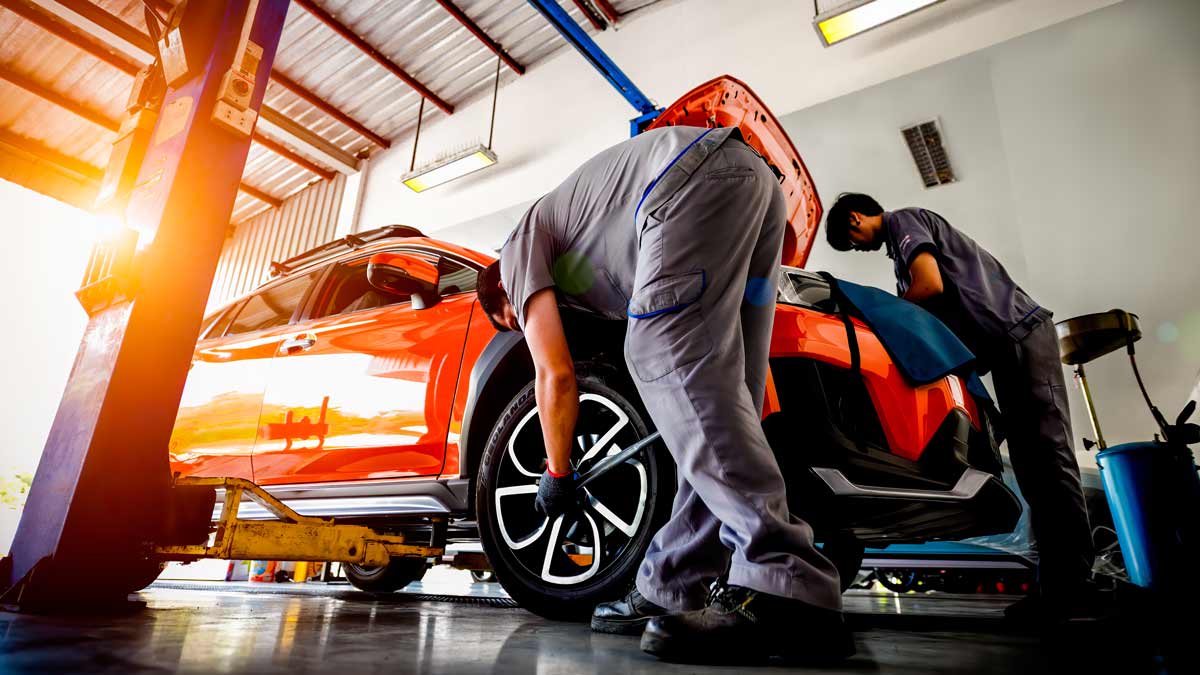
From summer glare along the Ohio River to winter salt and gravel on roads around Cincinnati, Newtown, and eastern Hamilton County, local vehicles face more than ordinary daily wear. Choosing ceramic coating for cars in Cincinnati – Newton, OH can be part of a broader plan to keep paint easier to clean while preserving a vehicle’s finish through changing Ohio seasons.
The right combination of window film, paint protection, coatings, and detailing depends on where you drive, where you park, and how long you plan to keep the vehicle. A commuter traveling on I-275 has different priorities than a family vehicle that spends most days parked outside near the Little Miami River.
Why Vehicle Protection Matters in Cincinnati-Newtown
Ohio weather can create a steady cycle of vehicle stress. Road salt, slush, airborne grit, pollen, tree sap, insect residue, intense sun, rain, and frequent washing can all affect paint, glass, wheels, and interior materials. Protection is not only about maintaining a glossy appearance. It can also improve cabin comfort, simplify routine cleaning, and help reduce avoidable wear over the long term.
Newtown-area drivers often move between neighborhood streets, construction zones, highway traffic, and rural routes outside the city. Each setting can bring small stones, dirty spray, and road debris into contact with the vehicle. Before selecting products, identify the conditions your vehicle actually experiences rather than choosing upgrades based solely on appearance.
For drivers searching online for automotive ceramic coating near me, it helps to understand that a coating is one layer of a complete care strategy, not a substitute for every other form of protection.
Start With Your Driving Habits
A useful protection plan begins with a realistic assessment of daily use. Vehicles parked in a garage generally face less sun exposure and falling debris than those left outdoors at work, school, or home. High-mileage highway vehicles may benefit most from front-end protection, while a weekend vehicle may need a simpler maintenance-focused approach.

Questions to Consider
- How many miles do you drive each week?
- Is the vehicle usually parked in a garage, driveway, or outdoor lot?
- Do you regularly drive on I-71, I-75, I-275, or gravel and rural roads?
- Will you keep the vehicle for two years, five years, or longer?
- Do children, pets, sports equipment, tools, or work supplies create extra interior wear?
Window Film Basics and Ohio Rules
Window film is applied to automotive glass to reduce glare, limit heat entering the cabin, increase privacy, and help reduce ultraviolet exposure through treated windows. It can make summer driving around Cincinnati more comfortable, especially when a vehicle is parked in an uncovered area. Film may also help limit fading on seats, dashboards, trim, and other interior surfaces.
Common Window Film Types
- Dyed film: A basic choice focused largely on shade and appearance.
- Metalized film: A reflective option that can provide heat control but may affect signals in some vehicles.
- Carbon film: A non-metal choice known for a dark, consistent appearance.
- Ceramic film: A premium option designed to manage heat and glare without a metallic layer.
Shade alone does not determine whether a tint is compliant. Factory glass and aftermarket film work together, so the final visible-light-transmission reading matters. Current Ohio window tint regulations address windshield and window light transmission, reflective materials, required labels, and other specifications. Confirm the rules before choosing a shade, particularly for front side windows and rear glass.
Paint Protection Options
Paint Protection Film
Paint protection film is a clear urethane layer applied over painted panels. As explained in this overview of paint protection film, it is commonly used on high-impact areas that are prone to chips, bug residue, and light abrasions. For Cincinnati-Newtown drivers, common coverage areas include the front bumper, hood, front fenders, mirrors, rocker panels, door edges, and the area behind wheel openings.
Film can reduce the effects of routine road debris, but it does not make a vehicle invulnerable to damage. A deep impact, collision, neglected contamination, or improper washing can still harm the paint or the film itself. Coverage should match the vehicle’s exposure and the owner’s budget.
Ceramic Coatings, Wax, and Sealants
Ceramic coatings bond to prepared surfaces and can add gloss, water-beading behavior, and easier washing. They do not replace the physical impact resistance of paint protection film. Wax and synthetic sealants are generally lower-cost options that require more frequent reapplication. Still, they can work well for drivers who enjoy regular vehicle maintenance or expect short-term ownership.
Detailing, Service Order, and Aftercare
Preparation supports every protection choice. Washing removes loose grit, decontamination addresses bonded particles, and paint correction can reduce visible swirls or light defects before applying film or a coating. Interior detailing also matters for vehicles that collect pet hair, salt residue, food spills, dust, or odors through busy family and commuter use.
A Practical Service Order
- Inspect paint, glass, trim, wheels, and interior surfaces.
- Set a budget for essential protection before appearance upgrades.
- Correct existing chips, stains, contamination, or paint defects.
- Install window film before the final interior cleanup.
- Apply paint protection film or coating after proper surface preparation.
- Follow product-specific curing and washing instructions.
After installation, use clean microfiber towels, mild automotive soap, and careful washing methods. Avoid abrasive brushes and harsh cleaners. Remove bird droppings, insects, and winter road film as soon as practicable, and inspect the edges of film or coated panels during routine washes. Ask any installer about the recommended curing period before washing the vehicle or rolling down the tinted windows.
A Simple Decision Checklist
- Choose window film when glare, heat, privacy, or interior sun exposure is the main concern.
- Choose paint protection film when highway debris, stone chips, and front-end wear are the priority.
- Choose a ceramic coating when easier washing, gloss, and water repellency matter most.
- Choose professional detailing for deep cleaning or surface preparation.
- Combine services when the vehicle is driven frequently, parked outdoors, or intended for long-term ownership.
The best plan for a Cincinnati-Newtown vehicle is practical rather than excessive. Match the service to your driving habits, local weather exposure, budget, and aftercare routine. With the right order of operations and consistent maintenance, vehicle protection can help make driving in Ohio more comfortable while keeping the car cleaner and better prepared for the miles ahead.