

Table of Contents
- Introduction
- Market Performance in Recent Years
- Shifts in Buyer Behavior
- Impact of Inventory Levels
- Luxury Market Dynamics
- Community Developments and Infrastructure
- Future Outlook
- Conclusion
Introduction
Park City, Utah, renowned for its world-class ski resorts and vibrant community, has experienced significant shifts in its real estate market over recent years. Understanding these trends is crucial for potential buyers, sellers, and investors aiming to navigate this dynamic landscape effectively. For personalized guidance, consider consulting Park City UT real estate agent Richard Taleghani with Engel & Völkers Park City. With over a decade of experience in luxury real estate and property management, Richard specializes in Park City, Deer Valley, The Colony, Deer Crest, and Promontory, offering clients unparalleled insight into these prestigious mountain communities.
Market Performance in Recent Years
In 2025, the Park City real estate market achieved a sales volume of $5.75 billion, marking the second-highest in its history. This impressive figure reflects a 26% year-over-year increase in single-family home sales, totaling $3.52 billion. Notably, this surge was driven more by rising home prices than by an increase in the number of units sold, which rose modestly by 6%.
As Park City grows in prominence within the luxury and vacation real estate sectors, the market’s evolution is tied to both local and broader economic drivers, including mortgage rates, travel trends, and national economic cycles. While the 2025 data stands out, preceding years, particularly 2021 through 2024, also saw robust transaction levels as more buyers, including out-of-state residents and international investors, sought footholds in this vibrant mountain community. This demand, while cooling slightly from the post-pandemic peak, has continued to underpin price appreciation and maintain competitive conditions for key segments of the market.
Moreover, historically low interest rates through 2022 and early 2023 contributed to increased purchasing power, enabling buyers to stretch budgets and target higher-end properties. As rates normalized, the strength of Park City’s unique appeal, its blend of recreation, lifestyle, and exclusivity, kept the market buoyant even amid national market fluctuations.
Shifts in Buyer Behavior
Recent data indicate a trend toward more selective purchasing behaviors among buyers. While demand remains robust, purchasers are increasingly prioritizing factors such as property condition, location, and amenities. This shift underscores the importance of sellers presenting well-maintained, appropriately priced properties to attract discerning buyers.
In particular, sustainability and energy efficiency have become increasingly important to newer buyers, with many seeking homes with modern systems, green certifications, or the potential for technology upgrades. Short-term rental potential is also a consideration for many investors, given Park City’s year-round tourism appeal. Properties close to ski lifts, hiking trails, or downtown amenities often see accelerated interest. At the same time, neighborhoods with new infrastructure, such as faster broadband or improved transportation links, have attracted buyers seeking both recreational and remote work opportunities.
Additionally, anecdotal feedback suggests buyers are spending more time researching neighborhoods, schools, and community events before making offers. This trend reflects a growing emphasis on lifestyle and community fit beyond mere square footage or price point, expanding the skill set required from real estate agents to guide clients through this nuanced selection process effectively.
Impact of Inventory Levels
Inventory levels have played a pivotal role in shaping the market dynamics. For the first time since 2020, active listings surpassed 1,000 units, offering buyers a broader selection. This increase in inventory has contributed to a more balanced market, where both buyers and sellers have opportunities to achieve favorable outcomes.
The seasonal nature of Park City’s real estate inventory remains evident, with spring and summer tending to offer the largest influx of new homes to market. This cyclical increase is especially noticeable in resort-adjacent neighborhoods as homeowners opt to list outside the heavy winter tourism season. However, despite rising inventory, the region’s housing stock remains limited relative to demand, particularly for newer builds and turnkey properties.
Developers and builders have responded with new projects, ranging from single-family homes in gated communities to luxury condos and townhomes with premier access to slopes and trails. Yet regulatory and environmental considerations continue to impact the pace at which new inventory can be introduced in this unique mountain environment, keeping long-term supply growth modest.
Luxury Market Dynamics
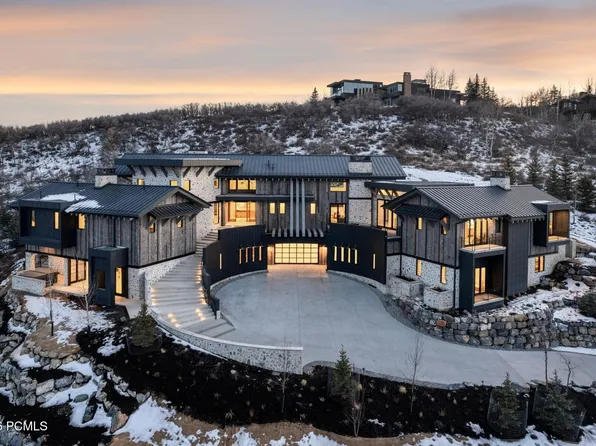
The luxury segment of Park City’s real estate market has demonstrated remarkable resilience. Properties priced above $2.5 million experienced a 38% year-over-year increase in unit sales and a 50% rise in total sales volume. This trend highlights the continued appeal of high-end properties, particularly those offering premium features and prime locations.
The increasing interest in luxury properties is further underscored by the diverse backgrounds of buyers, including tech executives, entertainment professionals, and retirees seeking exclusivity, privacy, and access to year-round recreational activities. High-end buyers often prioritize bespoke finishes, wellness amenities such as in-home spas and gyms, smart home automation, and scenic views of mountains and valleys. Custom homes and residences situated in The Colony and Deer Crest particularly command premium pricing, thanks to expansive lots, ski-in/ski-out access, and exceptional architectural design.
Additionally, the market for luxury second homes and investment properties continues to grow, supported by a strong short-term rental market and Park City’s desirability as both a vacation and work-from-home destination. This dynamic has encouraged the further development of luxury micro-communities with exclusive club memberships and access to elite amenities, further distinguishing Park City’s offerings from those of other mountain resort regions.
Community Developments and Infrastructure
Ongoing community developments and infrastructure improvements have further enhanced Park City’s attractiveness. Investments in public amenities, transportation, and recreational facilities have bolstered the quality of life, making the area even more appealing to prospective residents and investors.
Recent initiatives include expanding Park City’s extensive trail networks, upgrading public transportation with more eco-friendly buses, and improving local schools and healthcare facilities. Smart city projects and environmentally friendly construction practices demonstrate a forward-thinking approach, strengthening long-term value and resilience. Community-driven events, festivals, and the thriving arts scene also play a vital role in maintaining Park City’s allure, enhancing the sense of belonging that draws both permanent residents and part-time visitors.
Future Outlook
Looking ahead, the Park City real estate market is expected to remain stable, with a balanced inventory and sustained demand. However, market participants should remain vigilant, staying informed about economic indicators and local developments that could influence market conditions.
Potential challenges include interest rate fluctuations, housing affordability, and regulatory changes regarding vacation rentals and land use. Nevertheless, the area’s reputation as a safe investment, combined with ongoing infrastructure projects and an active tourism sector, continues to support optimistic forecasts among leading analysts. Market watchers encourage both buyers and sellers to stay engaged with local experts and adapt their strategies as conditions evolve, leveraging data-driven insights and a deep understanding of local trends.
As Park City remains a top-tier destination for lifestyle migration and luxury investment, ongoing innovations in property marketing, eco-conscious development, and public-private partnerships are likely to sustain momentum in the years ahead. Ultimately, those who remain alert to changing dynamics and seek informed counsel will be best positioned for success in this exceptional market.
Conclusion
In summary, Park City’s real estate market continues to thrive, characterized by strong sales volumes, evolving buyer preferences, and a resilient luxury segment. For those considering entering this market, partnering with a knowledgeable local expert can provide invaluable insights and guidance. Park City, UT, real estate agent Richard Taleghani of Engel & Völkers Park City offers extensive experience and a deep understanding of the local market, helping clients make informed decisions tailored to their unique needs.