


Germany’s 2026 economic outlook projects moderate BIP Wachstum Deutschland 2026, driven by exports and domestic stability amidst global shifts.
Assessing Germany’s economic trajectory for 2026 requires a deep dive into both domestic resilience and the evolving global landscape. From my vantage point, observing market movements and engaging with economic data, the nation is poised for a measured recovery, building on recent stabilization efforts. While challenges persist, particularly concerning energy costs and geopolitical uncertainties, the underlying industrial strength and innovation capacity offer a robust foundation for future expansion. This outlook is not merely a statistical projection; it reflects the adaptive strategies being implemented across various sectors.
Overview
- Germany’s economy in 2026 anticipates moderate expansion, moving past recent inflationary pressures.
- Export performance is expected to remain a key growth engine, buoyed by global demand and supply chain normalization.
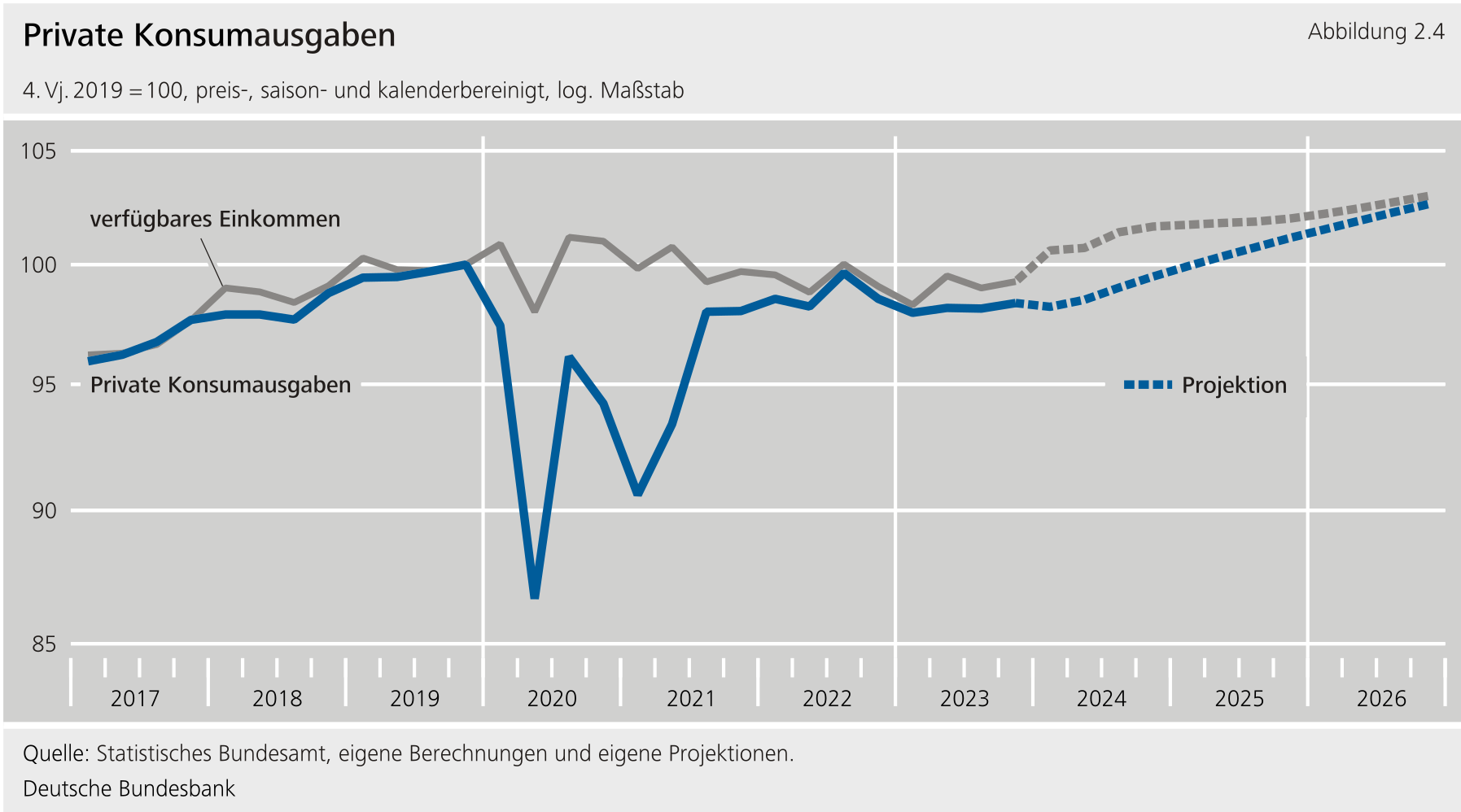
- Domestic consumption will likely contribute steadily, supported by wage increases and easing inflation.
- Investments in green technologies and digitalization are projected to drive significant capital expenditure.
- Labor market stability, despite some demographic shifts, will continue to underpin economic confidence.
- Fiscal prudence remains a central theme, influencing government spending and stimulus measures.
- Geopolitical events and energy market volatility represent the primary external risks to the forecast.
The Macroeconomic Landscape Shaping BIP Wachstum Deutschland 2026
The German economy is projected to experience a moderate but steady expansion in 2026. After navigating a period of high inflation and supply chain disruptions, the underlying economic indicators point towards a more stable environment. Consumer price pressures are expected to recede further, gradually restoring household purchasing power. This normalization of inflation is crucial for fostering domestic demand, which has been somewhat subdued in recent years. Businesses are adapting to new energy realities, with many investing in efficiency and alternative sources.
The European context also plays a significant role. As the broader Eurozone recovers, demand for German goods and services will naturally increase. This interconnectedness means that Germany’s economic performance is intrinsically linked to the health of its trading partners. Fiscal policy, while aiming for consolidation, will likely support strategic investments in infrastructure and future technologies, providing a stimulus without excessive debt. The ongoing structural adjustments in key industries, such as automotive and chemicals, are critical for long-term competitiveness.
Sectoral Drivers and Challenges for BIP Wachstum Deutschland 2026
Several key sectors will largely determine the pace of BIP Wachstum Deutschland 2026. The manufacturing sector, particularly advanced engineering and specialized machinery, remains a powerhouse. Exports of these high-value goods are anticipated to strengthen, assuming global trade conditions remain favorable. The automotive industry, undergoing a significant electric vehicle transition, presents both opportunities and challenges. While new production lines and battery Gigafactories create jobs and drive investment, the shift requires substantial capital and adaptation from traditional suppliers.
The services sector, including IT and consulting, continues its strong growth trajectory. Digitalization efforts across industries are fueling demand for specialized expertise and software solutions. Conversely, construction might face headwinds due to higher interest rates and material costs, though government housing initiatives could offer some support. The availability of skilled labor across these sectors is a persistent concern. Businesses are actively implementing training programs and recruiting internationally to address these demographic gaps, essential for maintaining productivity.
Germany’s Fiscal Stance and Global Trade Dynamics
Germany’s fiscal policy is characterized by a commitment to the “debt brake,” meaning a focus on limiting new borrowing. This approach instills confidence but also limits the scope for large-scale stimulus packages. Government spending in 2026 will likely prioritize sustainability projects, research and development, and modernizing public infrastructure. These targeted investments aim to bolster future competitiveness without increasing the national debt burden significantly. The long-term solvency of the social security system is another area under constant review, with reforms impacting future fiscal planning.
Global trade dynamics are paramount for an export-oriented nation like Germany. While demand from the US and emerging Asian markets is expected to remain robust, geopolitical tensions and potential trade barriers pose risks. Diversification of supply chains, moving away from over-reliance on single regions, is a strategic imperative for many German firms. The ongoing discussions around EU trade agreements and international regulatory frameworks will directly impact market access and operational costs for German businesses.
Forecasting BIP Wachstum Deutschland 2026: A Look Ahead
Looking ahead to 2026, forecasters generally anticipate a moderate, growth trajectory for Germany. Projections hover around 1.2% to 1.8%, reflecting a cautiously optimistic outlook. Key factors influencing this projection include the continued stabilization of energy prices, the easing of inflation, and a resilient labor market. Investment in renewable energy infrastructure and digital transformation will provide structural support. The push towards a greener economy is not just an environmental mandate; it represents a substantial investment cycle.
However, several external variables could shift these forecasts. Escalation of geopolitical conflicts, further disruptions to international trade routes, or unexpected global economic slowdowns could dampen export performance. The pace of the green transition also presents challenges; while creating new opportunities, it demands considerable public and private investment. Overall, the German economy in 2026 is expected to demonstrate its characteristic resilience, adapting to evolving global conditions while leveraging its industrial strengths and innovative capacity to foster sustainable growth.